
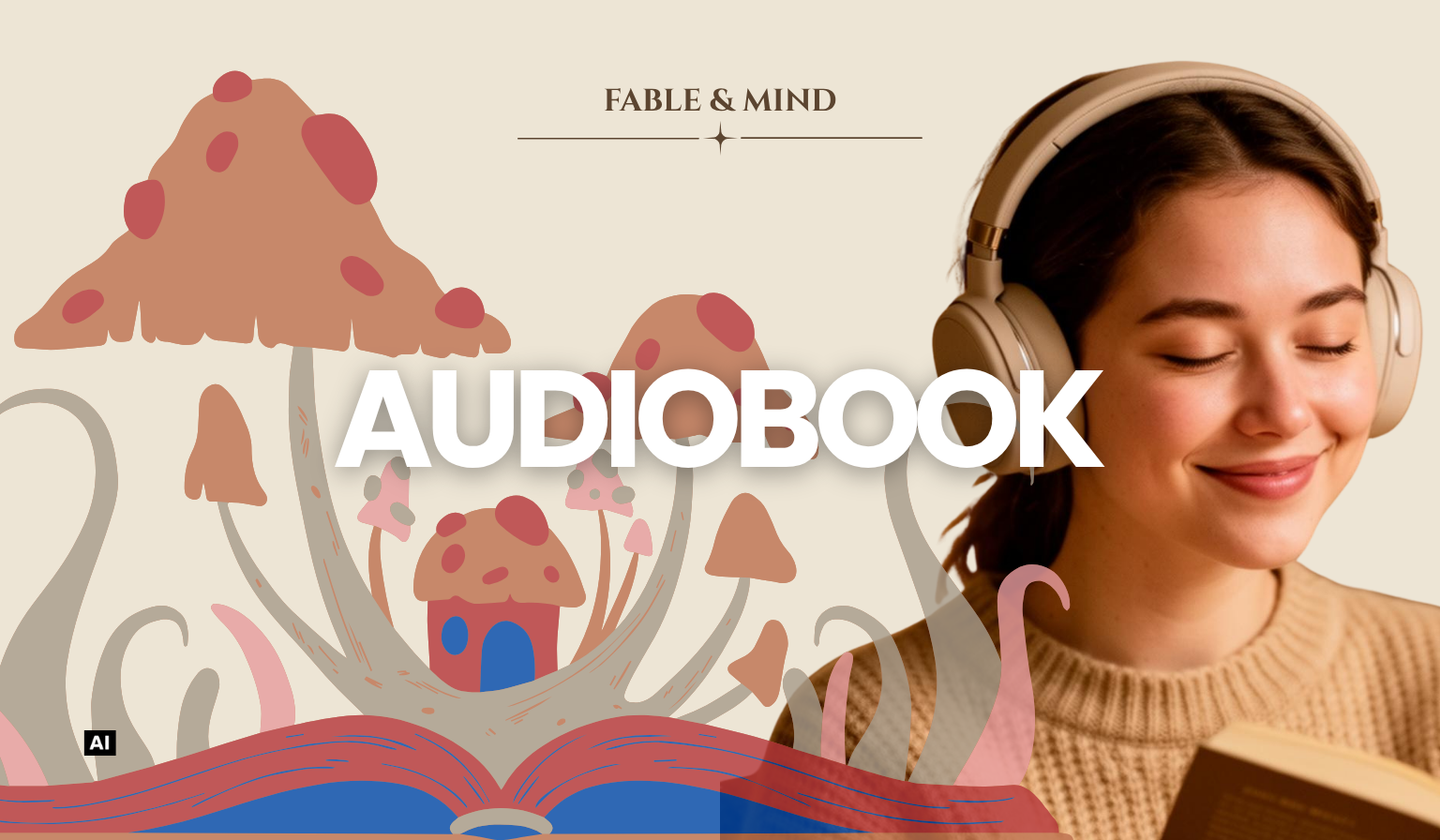
In many ways, audiobooks also create a sense of productivity. You're not just doing chores—you're finishing a book. If you're anything like me, you listen while cooking, cleaning, or during those moments when you're too busy or too tired to sit down with a physical book. Sometimes, I even listen in the dark, lying next to my husband while he sleeps. It's a quiet compromise: no lights, no disruption for him, and I can enjoy a story playing softly in the background while I close my eyes.
Modern life is busy. Our days are packed with responsibilities—work, meals, errands, exercise—and it often feels like time slips through our fingers. That leaves us wondering: when do we actually make time for hobbies or relaxation? Audiobooks seem to solve that problem. They fit into the margins of our lives, allowing us to combine productivity with pleasure. In a world driven by to-do lists, they offer a way to "do more" without asking for extra time.
I've been an Audible member for over seven years and have listened to countless books. Over time, I started noticing a pattern in my reviews: the books I experience as audiobooks often receive higher ratings from me than the ones I read in print.
That realisation led me to an interesting question about audiobook psychology:
Do audiobooks actually make stories feel better than they really are?
After digging into the psychology behind it, the answer seems to be: yes (though not always). Let’s explore why.
Why Narration Changes the Story: The Power of Voice and Performance
When you read a book, your brain supplies the tone, pacing, and emotion. With audiobooks, that role is taken over by a narrator, often a highly skilled performer.
A great narrator can add emotional depth to dialogue, create distinct character voices, and control pacing for suspense or drama. This transforms the experience from reading into something closer to performance. In some cases, the narration can elevate:
- •Flat dialogue → emotionally engaging scenes
- •Simple writing → compelling storytelling
In other words, you may be responding not just to the book, but to the performance of the book.
The Halo Effect: How Audiobook Narration Tricks Your Brain
Psychology offers a concept called the halo effect, where one positive trait influences how we perceive everything else. It's one of the clearest examples of audiobook psychology in action.
In audiobooks:
- •A pleasant, expressive voice → makes the story feel more engaging
- •Strong delivery → makes the writing seem better than it might be on the page
Your brain blends the narrator's quality with the author's work, making it harder to separate the two.
Emotional Amplification in Audiobooks
Audiobooks often intensify emotions. Music (in some productions), tone shifts, and vocal nuance can:
- •Make sad scenes feel more heartbreaking
- •Make romance feel more intimate
- •Make tension feel more immediate
When you read silently, the emotional impact depends on your imagination. When you listen, it's more guided and amplified. This is one of the biggest differences between audiobooks vs reading—and it can lead to a stronger emotional reaction, plus a perception that the book itself is more powerful. It's a similar mechanism to why Alchemised feels so emotionally devastating—your brain holds onto the feeling long after the words end.
Listening vs Reading: Effort, Engagement, and Attention
Reading requires active effort:
- •Decoding words
- •Maintaining focus
- •Imagining scenes
Listening, on the other hand, is more passive. This changes how we evaluate the experience:
- •Easier consumption → feels smoother and more enjoyable
- •Less cognitive strain → fewer opportunities to notice weak writing
Because of this, flaws like repetitive phrasing or awkward structure may go unnoticed in audio format—another reason listening vs reading can produce such different impressions of the same book.
Imagination vs Interpretation: Who Tells the Story?
When you read
You control the voices, tone, and pacing. The story is filtered through your imagination.
When you listen
The narrator interprets the story for you. This can be a double-edged sword:
- •A strong interpretation enhances the experience
- •But it can also override your personal judgment
You might enjoy the version of the story you're hearing, even if the text itself is less impressive.
Which Books Work Best as Audiobooks?
There are certain types of books that tend to benefit more from audio:
- •Dialogue-heavy stories
- •Character-driven narratives
- •Memoirs read by the author
- •Books with strong emotional arcs
Romantasy in particular shines on audio—the swoony tension, the slow-burn confessions, the morally grey banter all hit harder when a narrator delivers them. If you want format-friendly picks to test this on, try my round-up of the best escapism romantasy books with a strong plot or fantasy romance books with no love triangle.
On the other hand, books that rely heavily on complex structure, dense descriptions, or technical language may not gain as much from narration—and can sometimes even feel harder to follow.
So, Are Audiobooks Really "Better" Than Reading?
Not exactly, but they are different. Audiobooks don’t change the words on the page. What they change is:
- •Delivery
- •Emotion
- •Accessibility
Think of it like this:
Reading a book is like reading a script. Listening to an audiobook is like watching it performed.
Both are valid, but they create different impressions, which is exactly why the audiobooks vs reading debate keeps coming up.
Key Takeaways
Short on time? Here's the heart of the audiobook psychology question in five lines:
- •Audiobooks can enhance a story through performance, making the experience feel more emotional and immersive than the text alone.
- •A strong narrator can create a "halo effect," where good delivery makes the writing seem better than it actually is.
- •Listening requires less effort than reading, which can make flaws in writing less noticeable.
- •Audiobooks fit into busy lifestyles, blending productivity with entertainment and increasing overall enjoyment.
- •The audiobook experience is not just about the story. It's a combination of writing, voice, and psychology working together.
Conclusion: Different, Not Misleading
Audiobooks aren't misleading, they're just a different way of experiencing a story. Understanding the narration effect lets you read and listen more consciously, so you can tell when a book swept you away on its own merit, and when the magic was partly the voice in your ears. Both are valuable. Both are real.
Next time you finish an audiobook that wrecked you, ask yourself: was that the story, the narrator, or the perfect quiet moment I was in? The answer is usually all three, and that's exactly what makes audio so special.
Capture What You Listen To
If audiobooks make stories hit harder, a journal helps you hold onto those moments. Write down the lines that made you pause, and the feelings you want to hold on to.