
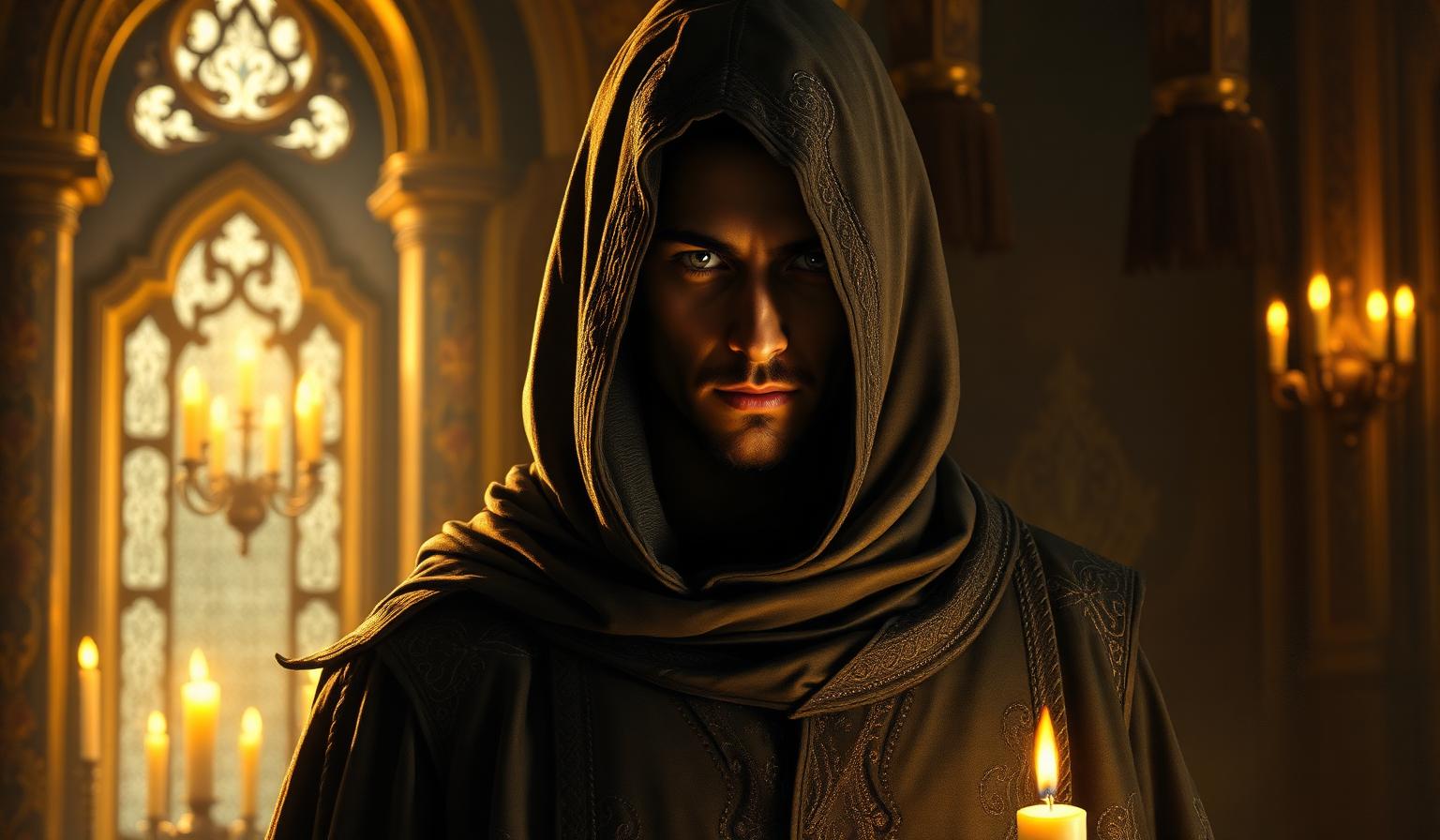
If I'm being honest, many of us readers have felt more drawn to the villain than the nice, honest, good-hearted character.
We often find them more attractive because, for many people, "nice" doesn't automatically fall into the attractive category. We want the challenge. The complexity of personality. The mystery. The unpredictability.
If you've ever found yourself rooting for the villain, or falling in love with a character who would be objectively terrible in real life, you're not alone.
And no, it's not because you're weird.
It's actually part of human nature to be drawn toward mystery. We're curious by nature. We want to understand the unknown, uncover hidden motives, and figure out what makes people tick.
That's one reason so many morally grey fictional characters have become incredibly popular.
Fantasy readers, especially those drawn to romantasy, often gravitate toward characters who lie, manipulate, break rules, and make impossible choices. These are the heroes who aren't completely good, but aren't completely evil either.
They exist somewhere in the messy space between.
But why do so many readers fall for them?
What is it about these characters that keeps us turning pages long past bedtime, debating their actions online, and thinking about them long after we've finished the book?
The answer lies in psychology, human nature, and the parts of ourselves we don't always acknowledge.
What Is a Morally Grey Character?
A morally grey character is someone whose actions don't fit neatly into traditional ideas of right and wrong.
Most of the time, their behavior exists somewhere in between and depends heavily on context. Readers often find themselves constantly justifying, questioning, or re-evaluating their actions.
Unlike classic heroes, they may:
- •Break laws for what they believe is the greater good
- •Manipulate people to achieve their goals
- •Make selfish decisions
- •Commit harmful acts while still possessing redeeming qualities
Their choices often force readers to ask difficult questions:
- •Was that action justified?
- •What would I have done in their position?
- •Does a good intention excuse a bad action?
The lack of clear answers is exactly what makes them so fascinating.
Why Perfect Heroes Feel Less Real
Traditional heroes can be inspiring.
But they can also feel distant.
Part of that comes from how idealized they often are.
Real people are complicated. We make mistakes. We have conflicting desires. We sometimes choose convenience over principle. We hurt people, intentionally or unintentionally.
That's why morally grey characters often feel more authentic.
When a character struggles between duty and desire, love and power, loyalty and self-preservation, we recognize something deeply human.
Not because we necessarily agree with their choices.
But because we understand the conflict.
The Psychology of the Shadow Self
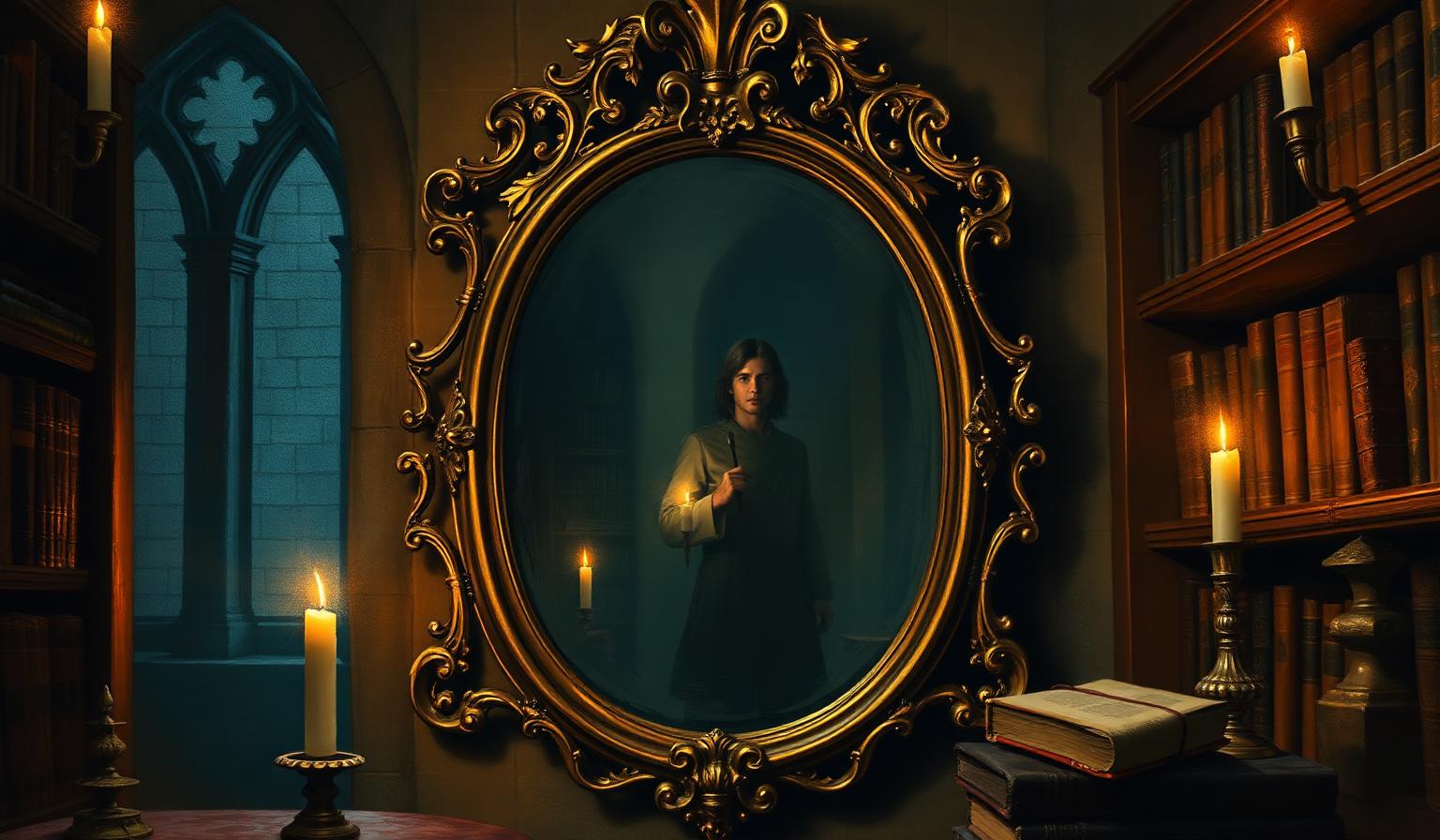
One reason morally grey characters captivate us is because they embody what psychologist Carl Jung called the "shadow self."
The shadow represents the parts of ourselves we suppress, deny, or hide.
These might include:
- •Anger
- •Ambition
- •Jealousy
- •Desire for power
- •Selfish impulses
Most people are taught to reject these traits. Yet they're still part of who we are.
Morally grey characters express these hidden aspects openly.
Through them, readers can safely explore emotions and desires they might never act on in real life.
We don't necessarily want to become ruthless rulers, feared assassins, or criminal masterminds.
But reading about them allows us to engage with those darker possibilities from a safe distance.
They Challenge Black-and-White Thinking
Stories with clear heroes and villains can be comforting. You know who to trust. You know who to root for.
Morally grey characters remove that certainty.
Instead of giving us answers, they present dilemmas. They force us to wrestle with questions like:
- •Can someone do terrible things for good reasons?
- •Is redemption always possible?
- •Are people defined by their worst actions?
These questions make stories more engaging because they require participation. Readers become active judges rather than passive observers.
Sometimes a character's actions aren't even grey. Sometimes they're completely wrong.
And yet readers still find themselves understanding why they did it. Not necessarily agreeing with it. Not excusing it. But understanding it.
That's where the complexity comes from.
We don't love these characters because they're perfect. We love them because they're not.
Why Morally Grey Characters Feel Powerful
Many fantasy readers are drawn to characters who operate outside traditional rules.
These characters often possess qualities people secretly admire:
- •Confidence
- •Independence
- •Competence
- •Strategic thinking
- •Willingness to challenge authority
In real life, we often feel constrained by expectations, responsibilities, and social rules.
Morally grey characters represent freedom. The freedom to say what they think. The freedom to pursue what they want. The freedom to refuse being controlled.
These things sound simple, but they're often much harder to do in real life.
That's one reason these characters feel so attractive. Even if we don't agree with every decision they make, we admire their autonomy.
Why Romantasy Readers Love Them
The popularity of morally grey love interests in romantasy is no accident. These characters often combine two powerful psychological triggers.
Mystery
Humans are naturally curious. There's something incredibly appealing about the unknown.
The same excitement that draws people to explore a new city, travel somewhere unfamiliar, or solve a mystery also applies to fictional characters.
When a character's motives aren't immediately clear, readers become invested in uncovering the truth. We want to understand them. We want to know what's hidden beneath the surface.
Emotional Vulnerability
Many morally grey characters hide pain beneath a tough exterior.
Watching someone guarded slowly reveal their softer side creates emotional payoff.
Readers aren't simply falling for power or danger. They're witnessing a transformation.
The contrast between a hard exterior and hidden vulnerability creates tension that keeps readers emotionally invested.
The Appeal of Redemption
Another reason morally grey characters resonate so strongly is their potential for growth.
Perfect heroes have very little room to change. Flawed characters can evolve dramatically.
Readers love redemption arcs because they reflect a hopeful belief: people are not defined solely by their mistakes.
When a morally grey character chooses compassion over revenge or sacrifice over self-interest, the transformation feels earned.
Their journey reminds us that growth is possible. Even after failure.
Moral Boundaries and Why Dark Fantasy Works
One of the reasons dark fantasy and dark romantasy have become so popular is because they constantly test readers' moral boundaries.
These stories make us think about situations that aren't simple.
- •What would you do if protecting someone you loved meant hurting someone else?
- •How far would you go for revenge?
- •Would you break the law if you believed you were doing the right thing?
Morally grey characters force us to confront these questions. And sometimes the answers make us uncomfortable.
What I find fascinating is that readers aren't just judging the character. They're also judging themselves.
Every time we justify a morally grey character's actions, we're revealing something about our own values and beliefs.
That's why discussions around these characters can become so passionate. Different readers draw the line in different places.
One reader may forgive manipulation but not murder. Another may forgive murder if it was done to protect someone they love. Someone else may not forgive either.
None of these reactions are necessarily wrong. They're simply reflections of where our personal moral boundaries exist.
A reader who values loyalty above everything else may forgive a character for doing terrible things to protect the people they love.
Someone who values honesty may never forgive that same character.
We often think we're judging the character, but in many ways we're also revealing our own values, beliefs, and where we personally draw the line.
In a strange way, the characters we judge often end up telling us as much about ourselves as they do about them.
In a way, fiction acts like a mental laboratory.
Books allow us to safely explore dark emotions, taboo subjects, manipulation, revenge, obsession, and extreme choices without any real-world consequences.
We can examine these situations from a safe distance. We can question our own beliefs. And sometimes we leave a story understanding ourselves a little better than we did before.
That's one of the reasons I think morally grey characters are so compelling. They don't just tell us something about themselves. They tell us something about us.
FAQ: What Is the Difference Between an Antihero and a Villain?
This is one of the most common questions readers ask.
A villain primarily acts in pursuit of their own goals, often with little regard for who gets hurt along the way.
An antihero, on the other hand, is usually still someone the story wants us to root for. They may use questionable methods. They may make terrible decisions. But there is often a larger goal, personal code, or redeeming quality that keeps them from becoming a true villain.
Of course, the line isn't always clear. And that's exactly why readers love debating these characters.
Final Thoughts
Morally grey characters captivate us because they feel human.
They're flawed. They're contradictory. They make terrible decisions and sometimes do incredible things.
Through them, we explore ambition, fear, loyalty, power, love, and redemption.
We don't love these characters because they're perfect. We love them because they're not.
And maybe that's the real magic of morally grey characters. They remind us that people are rarely just heroes or villains.
Most of us exist somewhere in between.
Looking for your next read? Start with the 20 best fiction books to read — several of them are led by exactly this kind of complicated character.
Capture What You Read
If a morally grey character lives in your head long after the last page, write it down. A book journal is a place to hold onto the lines, the moments, and the questions a story leaves behind.