
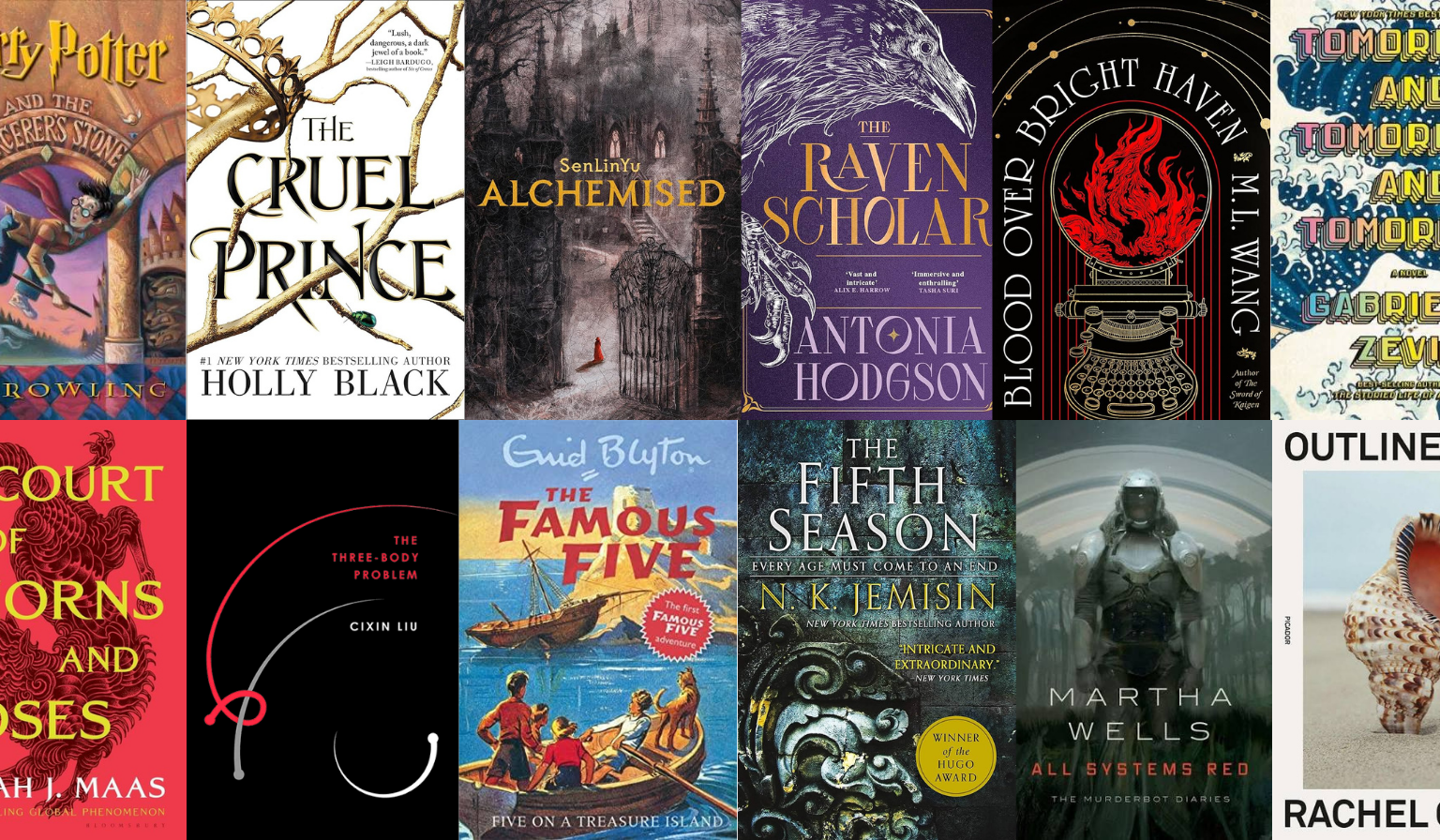
If you follow me on social media, you probably already know that I mostly read fantasy, romantasy, and the occasional science fiction book. But my reading taste goes beyond those genres. I also enjoy mythology, literary fiction, and childhood adventures, and a few of those favorites have made their way onto this list as well.
So my five-star shelf is a little all over the place. But every book and series on this list has one thing in common: I loved it enough to give it five stars.
That doesn't mean I think every book here is perfect. Five stars, for me, is much more personal than that. I love a strong plot, good character development, fewer plot holes, and a story that is executed well. But more than anything, a five-star book has to give me something I won't easily forget. Maybe it made me become attached to the characters. Or maybe their worlds completely swallowed me up. It could also simply be because a book made me laugh, or broke my heart, or changed the way I thought about something. And because this article is part of Fable & Mind, I’ve added a little psychological angle to each recommendation too. One of my favorite things about fiction is how a completely imaginary story can reveal something very real about us. Identity, relationships, trauma, prejudice, memory, belonging, grief, empathy, and why people behave the way they do can all be explored through characters and stories. These are simply my own interpretations rather than clinical diagnoses of the characters. I just love looking at fiction through a psychological lens and thinking about what these imaginary worlds can teach us about ourselves and the people around us.
I've divided my recommendations into four categories: fantasy and mythology, science fiction, literary and thought-provoking fiction, and childhood and coming-of-age favorites. I've also picked the one thing I think each book or series does exceptionally well.
Best Fantasy & Mythology Books
Fantasy dominates my five-star shelf. Give me complicated characters, morally questionable decisions, enormous worlds, political games, devastating wars, and a romance that makes me forget these people aren't real, and I'm probably going to be happy.
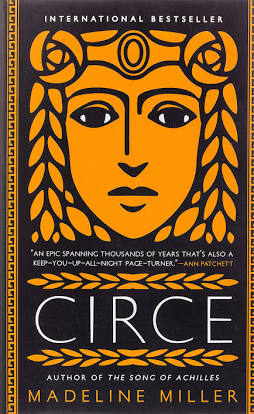
Circe
by Madeline Miller
Best for: Character Transformation
What I remember most about Circe is her transformation.
She begins as someone the gods around her dismiss and underestimate, never belonging anywhere. Exile eventually gives her the space to discover who she is outside of everyone else's expectations.
Her growth is slow, imperfect, and incredibly satisfying. She makes mistakes, experiences loneliness, loves the wrong people, and gradually learns to stand on her own.
By the end, she feels completely different from the Circe we met at the beginning, yet every part of that transformation feels earned.
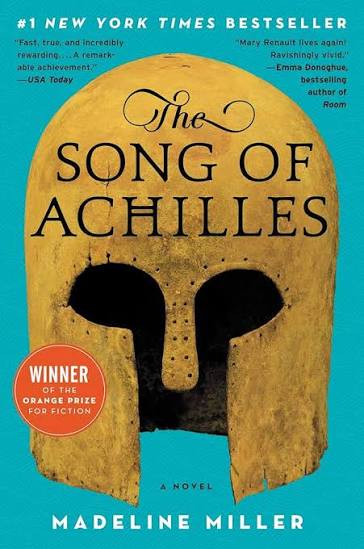
The Song of Achilles
by Madeline Miller
Best for: Most Beautiful Romance
I knew how the story of Achilles ended before I even opened this book, and somehow that made everything worse.
The relationship between Achilles and Patroclus is beautiful and devastating. Their love develops against a backdrop of ambition, pride, war, sacrifice, and an ending you know is coming but desperately don't want to reach.
There are plenty of books that have made me emotional, but The Song of Achilles remains one of the most beautiful romances I've read.
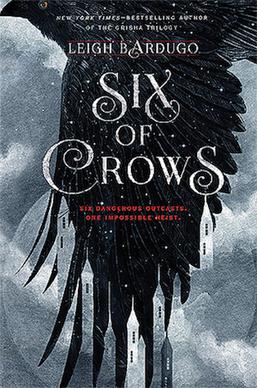
Six of Crows Duology
by Leigh Bardugo
Best for: Found Family
Give me a group of damaged people who don't trust anyone but slowly become fiercely loyal to each other, and I'm sold.
The heist is exciting and cleverly designed. The world is fascinating, and Kaz Brekker is unforgettable. He is unique, complex, and one of my all-time favorite fictional characters. What made Six of Crows a five-star read for me was the characters. Their relationships are at the heart of the story and unlike anything I had read before.
Every member of the crew has their own personality, history, motivations, and wounds. Their relationships are messy and often hilarious, but underneath all the banter and arguments is genuine loyalty.
The found family element was something I didn't expect when I started these books, but it ended up being one of the things I loved most. The friendships were beautiful, memorable, and stayed with me long after I finished reading.
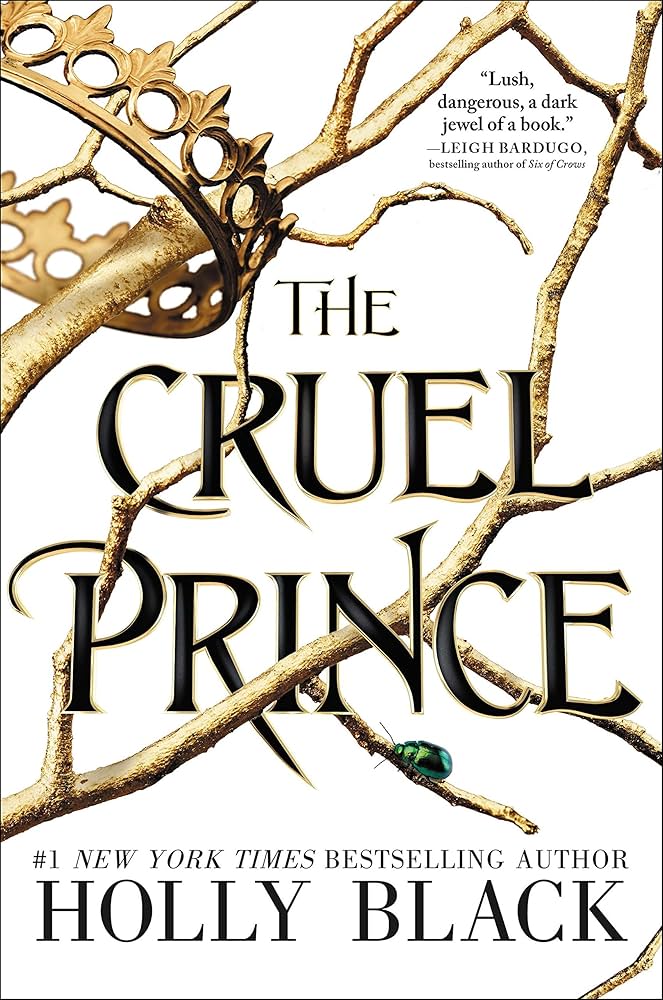
The Folk of the Air Trilogy
by Holly Black
Best for: Enemies to Lovers
Jude and Cardan remain one of my favorite examples of enemies to lovers because they actually feel like enemies.
There's resentment, attraction, manipulation, betrayal, ambition, and a constant struggle for power between them.
But I also love that the romance doesn't replace the larger story. Jude wants power and a place in a world that constantly reminds her that being human supposedly makes her inferior.
The politics, schemes, pride, romance, and questionable decisions make this trilogy ridiculously addictive. (If you want more, I wrote a full Folk of the Air character analysis.)
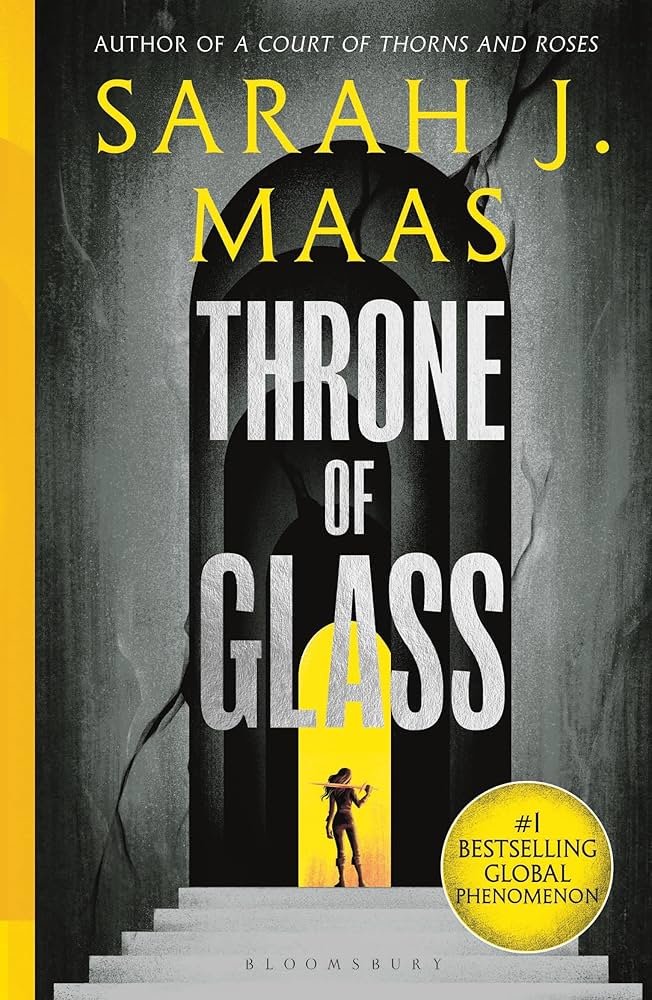
Throne of Glass Series
by Sarah J. Maas
Best for: Character Growth Across a Series
One of the best things about finishing a long fantasy series is looking back at the characters from the first book and realizing just how far they've come.
Few series have given me that feeling as strongly as Throne of Glass.
Characters grow, relationships change, loyalties shift, and the world expands dramatically as the series progresses. By the later books, I was emotionally invested in people and storylines that barely existed at the beginning.
And then there is the war.
This series put me through it emotionally, but that enormous journey is exactly why it earned five stars from me.
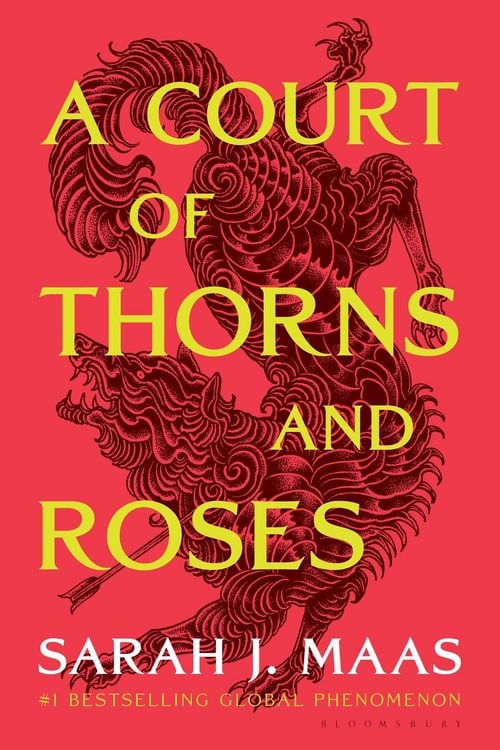
A Court of Thorns and Roses Series
by Sarah J. Maas
Best for: Fantasy Romance
Sometimes I want complicated literary fiction. Sometimes I want fantasy romance that completely consumes my attention.
ACOTAR is firmly in the second category.
The romance, tension, friendships, magical world, dramatic reveals, and ridiculously powerful characters make this series incredibly easy to disappear into.
Sometimes a five-star read is simply a series that makes you completely obsessed with its world.
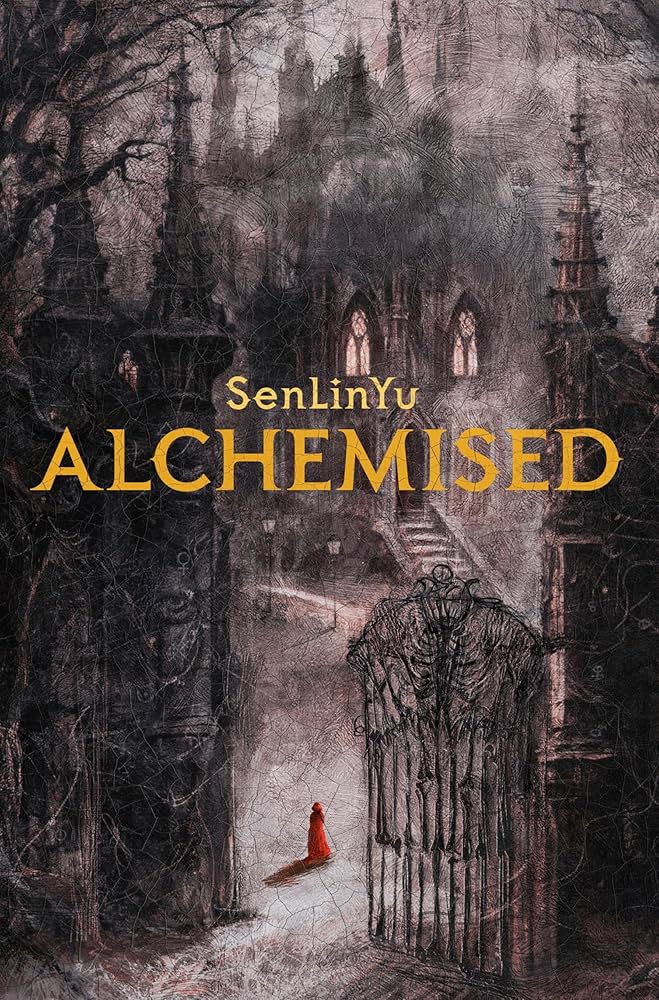
Alchemised
by SenLinYu
Best for: Emotionally Devastating Fantasy
Some fantasy books are escapism. Alchemised is not one of them.
It's dark, heavy, haunting, and emotionally exhausting. War and its consequences aren't simply background decoration. Trauma, memory, survival, power, and what people are willing to do to one another sit at the heart of the story.
The romance was also one of my favorite parts of Alchemised. The tension between Helena and Kaine was so well done, and I loved watching their relationship slowly develop and discovering how they fell in love. Against such a dark and brutal backdrop, there was something incredibly beautiful about the relationship they built. Their love felt complicated, intense, and deeply emotional, which only made everything happening around them even more devastating.
This wasn't an easy book for me to read, but it was incredibly difficult to forget. If you want a fantasy that will emotionally devastate you rather than comfort you, this is it. (I broke down why Alchemised emotionally destroys us in a separate piece.)
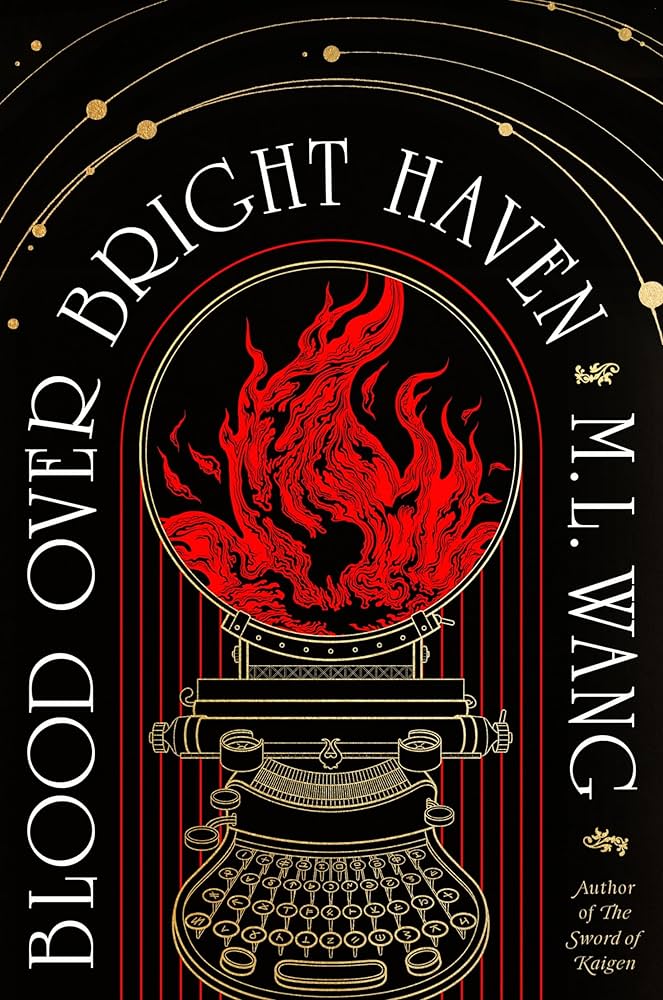
Blood Over Bright Haven
by M.L. Wang
Best for: Exploration of prejudice
This fantasy uses its imaginary world to examine very real problems. It's the kind of fantasy that entertains you while making you think about some very real and uncomfortable questions.
What stood out to me most was its exploration of prejudice. Beneath the magic and academic setting, the story examines how prejudice can become deeply rooted in institutions and society, shaping who is given opportunities, who holds power, and whose voices are taken seriously.
It also explores privilege, ambition, exploitation, and the systems that allow inequality to continue. What makes it work is that these ideas aren't separate from the fantasy. They're built directly into the world, the characters, and the story.
More than anything, I came away from this book feeling like I had learned something. It made me reflect on my own assumptions and how I treat other people, and reminded me to approach people with more empathy and awareness. I love when a fantasy book can entertain me while also changing the way I think about the real world, even in a small way.
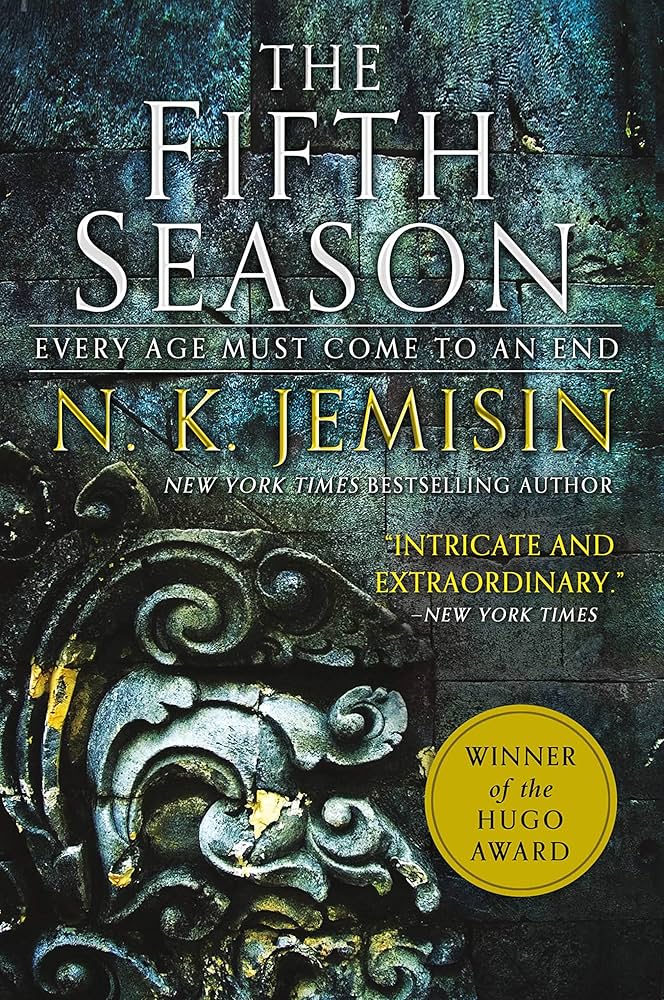
The Broken Earth Trilogy
by N.K. Jemisin
Best for: Unique Worldbuilding & Magic System
The world of The Broken Earth feels genuinely different. It's ambitious, brutal, and sometimes challenging, with extraordinary worldbuilding and a magic system unlike anything else I've read.
The geology, history, social structures, oppression, abilities, and constant threat of catastrophic environmental change are all intertwined. This isn't a familiar world with a little magic added on top. The world itself shapes everything about the story and the people living in it.
Then there is the way the story is told, which makes the experience even more unusual. The different perspectives, timelines, and use of second-person narration initially left me with so many questions, but watching everything slowly come together was incredibly satisfying. The way Jemisin structures the story is so clever and innovative.
Best Science Fiction Books
Let me tell you a little secret: I'm a science nerd who apparently enjoys science fiction most when it either makes me deeply attached to something nonhuman or makes me question why things are the way they are, from the way nature works to the mysteries of the universe and our own existence.
These books are wildly different from each other, but they represent what I love about science fiction: enormous ideas combined with surprisingly human stories.
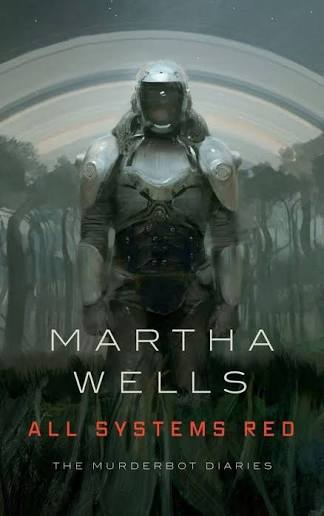
The Murderbot Diaries
by Martha Wells
Best for: A Protagonist You Can't Help Loving
Murderbot would really prefer everyone to stop having emergencies so it can watch its shows in peace. Unfortunately, humans keep requiring rescue.
The series is funny, clever, fast paced, and far more emotional than I expected. Murderbot's internal commentary alone makes it worth reading, but underneath the humor are questions about autonomy, identity, friendship, and what it actually means to be a person.
My favorite is the second book in the series. It's an absolute masterpiece.
I came for the space exploration and the promise of some robot action. I stayed because I became ridiculously attached to the sarcastic, unintentionally funny security robot.
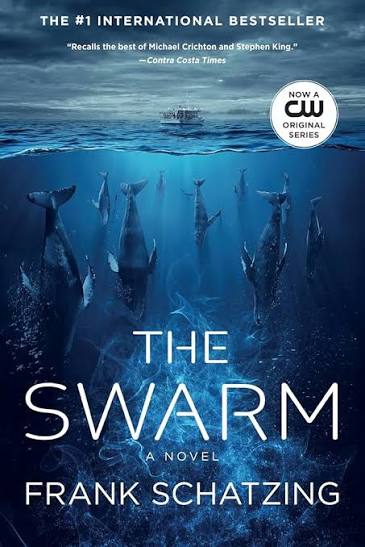
The Swarm
by Frank Schätzing
Best for: Science Thriller
The ocean is already terrifying when you think about how little we understand about it. The Swarm takes that thought and brings it to a whole new level.
What I loved most was the combination of science, mystery, environmental themes, and escalating disaster. The book gets extremely detailed at times, but that scientific grounding is part of what makes the story so unsettling.
It's huge, ambitious, occasionally overwhelming, and completely fascinating.
If you like science fiction that makes you wonder, "Wait... could something like this actually happen?" this is worth reading.
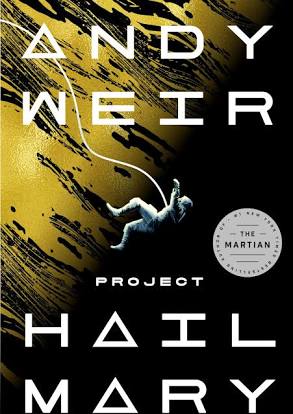
Project Hail Mary
by Andy Weir
Best for: Unlikely Friendship
I thought I was getting a space adventure. I wasn't prepared for such a heartwarming story.
There is a lot of science. Sometimes far too much science for my brain to keep up with. The plot is incredibly clever, and I can't imagine how much research went into writing it.
But the science isn't what made this a five-star read for me. It was the friendship.
Rocky completely stole my heart. I smiled, literally laughed out loud, and became far more emotionally invested than I expected. Would I recommend it? Hell yes.
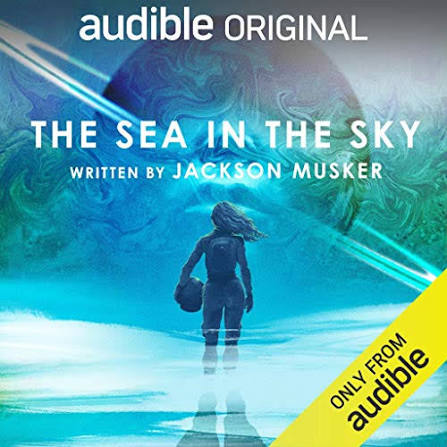
The Sea in the Sky
by Jackson Musker
Best for: Most immersive audiobook
This one belongs on my list specifically because of the way I experienced it: as an audiobook.
Some audiobooks are simply books being read aloud. This one feels like an entire production.
The Sea in the Sky's performances, sound design, atmosphere, and overall production made the story incredibly immersive. It felt closer to experiencing an audio drama than simply listening to someone narrate a book.
It's easily one of my favorite audiobook experiences. (If you're curious why audio hits differently, I wrote about the psychology of audiobooks.)
Best Literary & Thought-Provoking Fiction
These are probably the hardest books on this list to describe because what I love about them isn't necessarily the plot.
They're books about people, conversations, creativity, memory, relationships, imagination, and the strange ways we understand ourselves through others.
They're also the kind of books that leave me looking at ordinary life a little differently, noticing things about people and relationships that I might have overlooked before.
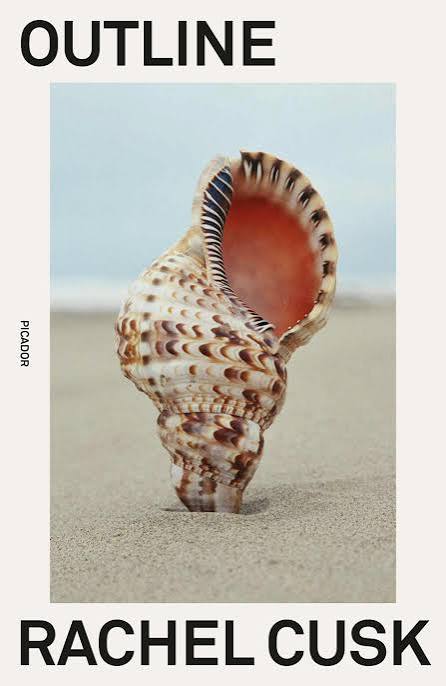
Outline Trilogy
by Rachel Cusk
Best for: Observations on Human Nature
Outline, Transit, and Kudos are unlike almost anything else on this list.
Very little happens in the traditional sense. Instead, people talk. They tell stories about marriages, careers, children, failures, disappointments, desires, and the strange contradictions of being human.
And somehow it becomes hypnotic. There is something almost dreamlike about moving through these conversations while the narrator herself remains strangely elusive.
I love how observant these books are. An ordinary conversation can suddenly contain an observation about relationships or human behavior that makes me stop and think.
Quiet, strange, intelligent, and incredibly thought provoking.
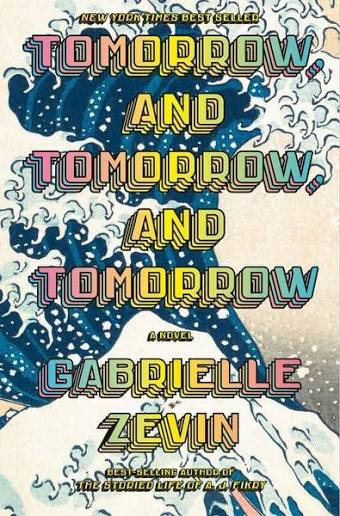
Tomorrow, and Tomorrow, and Tomorrow
by Gabrielle Zevin
Best for: Complicated Friendship
At its heart, this isn't really a book about video games, though it's still one of the cleverest and most thoughtfully written books I've read. It's about friendship.
Specifically, the kind of friendship that can be loving, creative, selfish, supportive, jealous, painful, and incredibly complicated all at once. It's a book filled with so many layers of human emotion.
Sam and Sadie's relationship changes repeatedly throughout their lives, and that's exactly what I found so compelling. Their connection doesn't fit neatly into a conventional box.
It's messy because people are messy.
I love books that take friendship as seriously as romantic love, and Tomorrow, and Tomorrow, and Tomorrow does exactly that.
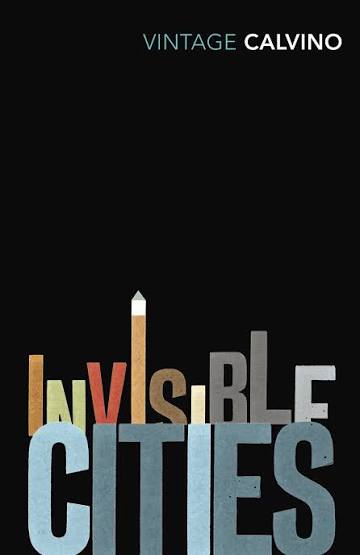
Invisible Cities
by Italo Calvino
Best for: Most imaginative storytelling
How do you even describe Invisible Cities?
Marco Polo describes a series of extraordinary cities to Kublai Khan, but those cities gradually become something much bigger than physical places.
They feel like memories, dreams, desires, fears, ideas, and possibilities.
This isn't a book I read for plot. I read it for the experience of entering Calvino's imagination.
It's strange, philosophical, poetic, beautiful, and unlike almost anything else I've read.
Best Childhood & Coming-of-Age Books
Not every five-star book needs to be something I discovered as an adult. Some books stay special because of when they found us.
These books remind me that reading doesn't always have to be challenging or profound. Sometimes a story earns a permanent place in your heart simply because it gave you adventure, comfort, magic, or a lesson you never forgot.
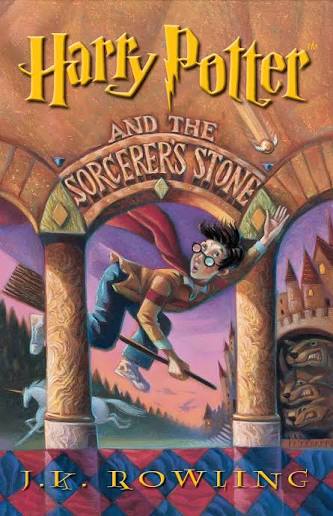
Harry Potter Series
by J.K. Rowling
Best for: A Magical World You Want to Live In
Harry Potter is a series I love because it became attached to a particular period of my life. Its imaginative, brilliant world was a huge part of my childhood, when I first discovered and fell in love with reading.
Hogwarts is one of those fictional places that feels strangely familiar even though it doesn't exist. The houses, classes, feasts, friendships, mysteries, creatures, and tiny magical details make the world feel alive.
For many readers, including me, this wasn't simply a series we read. It was somewhere we lived.
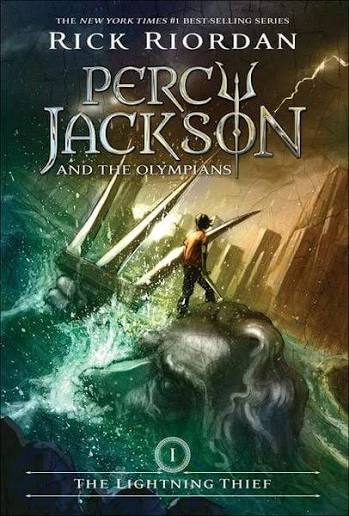
Percy Jackson and the Olympians
by Rick Riordan
Best for: Making Mythology Ridiculously Fun
Greek mythology plus chaotic teenagers plus quests where everything inevitably goes wrong? Yes, please.
What I love about Percy Jackson is how effortlessly it makes mythology approachable. Gods and monsters that could feel distant or academic suddenly become funny, dangerous, annoying, and very much alive.
Percy's voice gives the whole series its personality.
It's funny, adventurous, heartfelt, and proof that children's books don't suddenly stop being enjoyable because you've grown up.
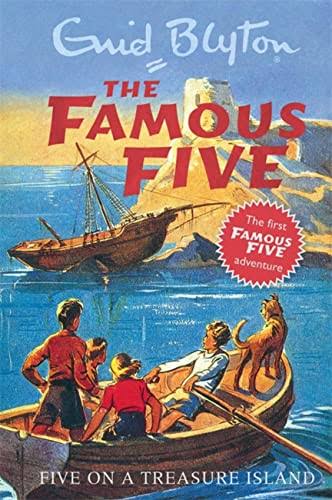
The Famous Five Series
by Enid Blyton
Best for: Childhood Adventure
Some books earn five stars partly because of when you read them. The Famous Five represents pure childhood adventure to me.
Secret passages. Mysterious islands. Hidden treasure. Suspicious strangers. Picnics that somehow contain enough food for twenty people.
As an adult, I can see these books differently. But that's not really the point.
They remind me of the feeling of being young and believing an enormous adventure might be waiting just around the corner. And sometimes nostalgia deserves five stars too.
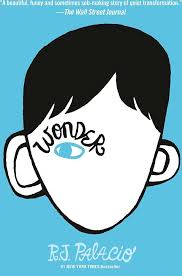
Wonder
by R.J. Palacio
Best for: Kindness and Empathy
Wonder looks like a simple story, but its message has stayed with me.
Following Auggie and the people around him gives us different perspectives on kindness, cruelty, friendship, insecurity, family, and the enormous impact small choices can have on another person.
What I particularly appreciate is that the story doesn't only ask us to sympathize with one character. By changing perspectives, it reminds us that everyone is experiencing a version of the story we can't completely see.
It's warm, emotional, and incredibly human. Sometimes the simplest lessons are the ones worth being reminded of.
What Makes a Book a Five-Star Read for Me?
Looking at this list, I've realized that my five-star books don't actually have much in common on the surface.
I can give five stars to a fantasy series spanning thousands of pages and then give the same rating to a quiet literary novel where people mostly sit around having conversations.
One book can earn five stars because it emotionally destroys me. Another because it makes me laugh. Another because its world feels so real that I don't want to leave. And sometimes a book gets five stars because I read it at exactly the right moment in my life.
For me, five stars doesn't mean perfect. It means the book gave me something I don't easily forget.
Maybe that's Circe's transformation. The romance between Achilles and Patroclus. The found family in Six of Crows. The strange, dreamlike observations of the Outline trilogy. The terrifying science of The Swarm. The immersive audio experience of The Sea in the Sky. Or an alien named Rocky who somehow became one of my favorite fictional characters.
Those are the books I remember. And those are the books I recommend.
Potential Five-Star Series I'm Still Reading
There are also a few series that are dangerously close to joining this list.
I haven't finished all of them yet, so I'm not ready to officially call the entire series a five-star read. But based on what I've read so far, they deserve a mention.
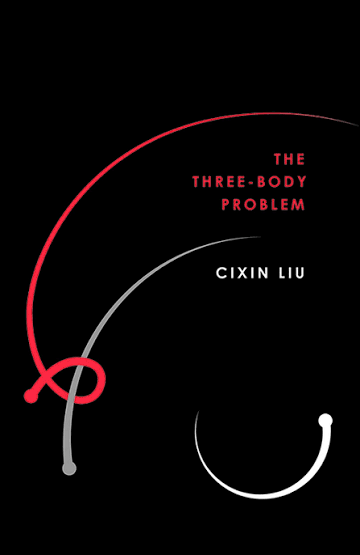
The Three-Body Problem Series
by Cixin Liu
Potential best for: Mind-Bending Ideas
This is the kind of science fiction that makes me realize just how small my imagination is.
The scale of the ideas is enormous, moving beyond individual characters to questions about humanity, civilization, science, survival, and our place in the universe.
I haven't finished the entire trilogy yet, so I'm reserving my final judgment. But in terms of sheer ambition and ideas that make me stop and think, this series already feels special.
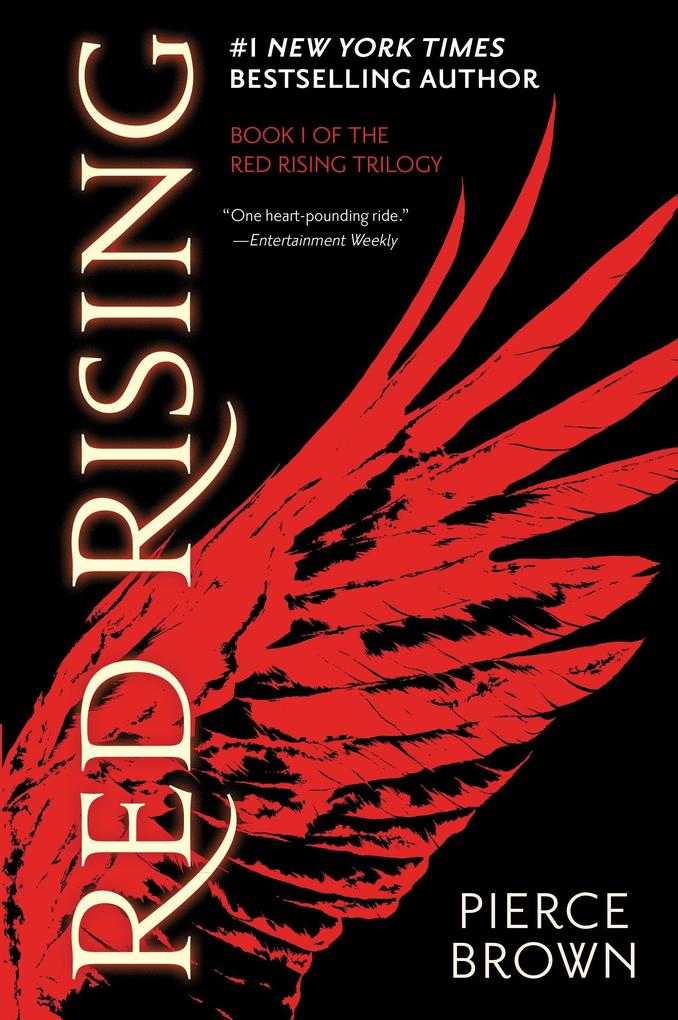
Red Rising Series
by Pierce Brown
Potential best for: Epic Sci-Fi Escalation
Red Rising starts big and somehow keeps getting bigger.
The politics, betrayals, battles, friendships, rivalries, and constantly shifting alliances make it incredibly addictive.
I'm not ready to give the entire series my official five-star stamp until I've finished it, but based on what I've read so far, it has serious potential to end up among my favorites.
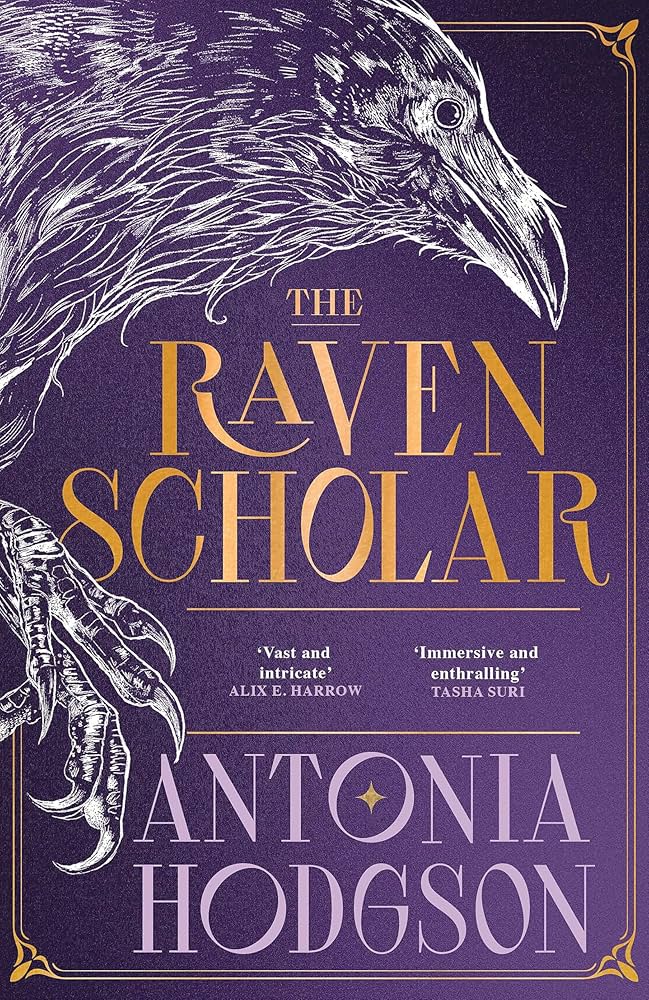
The Raven Scholar Series
by Antonia Hodgson
Potential best for: Political Intrigue
I'm not ready to officially add this one to my all-time five-star list either, but what I've read so far has definitely caught my attention.
The political intrigue, characters, mystery, and worldbuilding have given me very high hopes for where the series goes next.
For now, all three are firmly on my potential five-star list.
My 20 Five-Star Fiction Books at a Glance
If you just want the recommendations without all my rambling, here's the complete list:
Fantasy & Mythology
- •Circe — Best Character Transformation
- •The Song of Achilles — Most Beautiful Romance
- •Six of Crows — Best Found Family
- •The Folk of the Air — Best Enemies to Lovers
- •Throne of Glass — Best Character Growth Across a Series
- •A Court of Thorns and Roses — Best Fantasy Romance
- •Alchemised — Most Emotionally Devastating Fantasy
- •Blood Over Bright Haven — Best Exploration of prejudice
- •The Broken Earth Trilogy — Best Unique Worldbuilding & Magic System
Science Fiction
- •The Murderbot Diaries — Most Lovable Sci-Fi Protagonist
- •The Swarm — Best Science Thriller
- •Project Hail Mary — Best Unlikely Friendship
- •The Sea in the Sky — Most immersive audiobook
Literary & Thought-Provoking Fiction
- •Outline Trilogy — Best Observations on Human Nature
- •Tomorrow, and Tomorrow, and Tomorrow — Best Complicated Friendship
- •Invisible Cities — Most imaginative storytelling
Childhood & Coming-of-Age Favorites
- •Harry Potter — Best Magical World
- •Percy Jackson and the Olympians — Most Fun with Mythology
- •The Famous Five — Best Childhood Adventure
- •Wonder — Best Lesson in Kindness
If you're looking for your next fiction book, I hope something here ends up becoming a five-star read for you too.
Frequently Asked Questions
What are the best fiction books to read?
The best fiction books to read are the ones that stay with you long after the last page. From this list, Circe, The Song of Achilles, Six of Crows, Project Hail Mary, and Tomorrow, and Tomorrow, and Tomorrow are the ones I recommend most often, because each one delivers something unforgettable: transformation, romance, found family, friendship, or a story about the people we become.
What are the best fiction books of all time?
Books that keep being recommended decades after publication tend to combine memorable characters with a world or idea readers can't stop thinking about. Harry Potter, Invisible Cities, The Song of Achilles, and the Broken Earth trilogy all belong to that group. On my own shelf, a book earns all-time status when I still remember exactly how it made me feel years later.
What is the best science fiction book?
Project Hail Mary is my pick for the best science fiction book for most readers: the science is fascinating, the pacing never stalls, and the friendship at its center is genuinely moving. If you prefer character-driven sci-fi, start with The Murderbot Diaries; if you want a science thriller, read The Swarm; and for enormous, mind-bending ideas, The Three-Body Problem series.
How many books should you read before recommending favorites?
There's no magic number. This list comes from more than 200 novels, but what matters is reading widely enough across genres that you can tell the difference between a book you enjoyed and a book that changed how you read.